
From Supplier to Visionary.
Pomory was born under the wing of Himalayan Leather, a legacy supplier of premium raw materials. For decades, we saw our highest quality hides being exported and sold by international labels at prices unreachable by the local market. In 2024, we decided to close the circle. By combining our direct access to raw materials with world-class machinery from Germany and Vietnam, we launched Pomory—a brand built on the principle of 'Honest Pricing'.
The Pomory Standard
Premium Himalayan Hides
We use only the top 5% of full-grain leather sourced directly from high-altitude regions, ensuring unparalleled durability and a natural patina that ages beautifully.
Direct-to-Consumer Pricing
By owning our supply chain and cutting out distributors, we offer international luxury standards at a fraction of the cost. No hidden margins, just honest value.
Anatomical Comfort
Our shoes are built on lasts designed for the local foot profile, combined with advanced Vietnamese foam technology for all-day comfort without fatigue.
Crafting Timeless Leather Footwear
Pomory is a premium leather footwear brand dedicated to creating handcrafted shoes that combine quality, comfort, and timeless design. Using genuine leather and skilled craftsmanship, we deliver footwear made for professionals, special occasions, and everyday confidence.
The Pomory Journal
Discover the art of leather craftsmanship and style inspiration
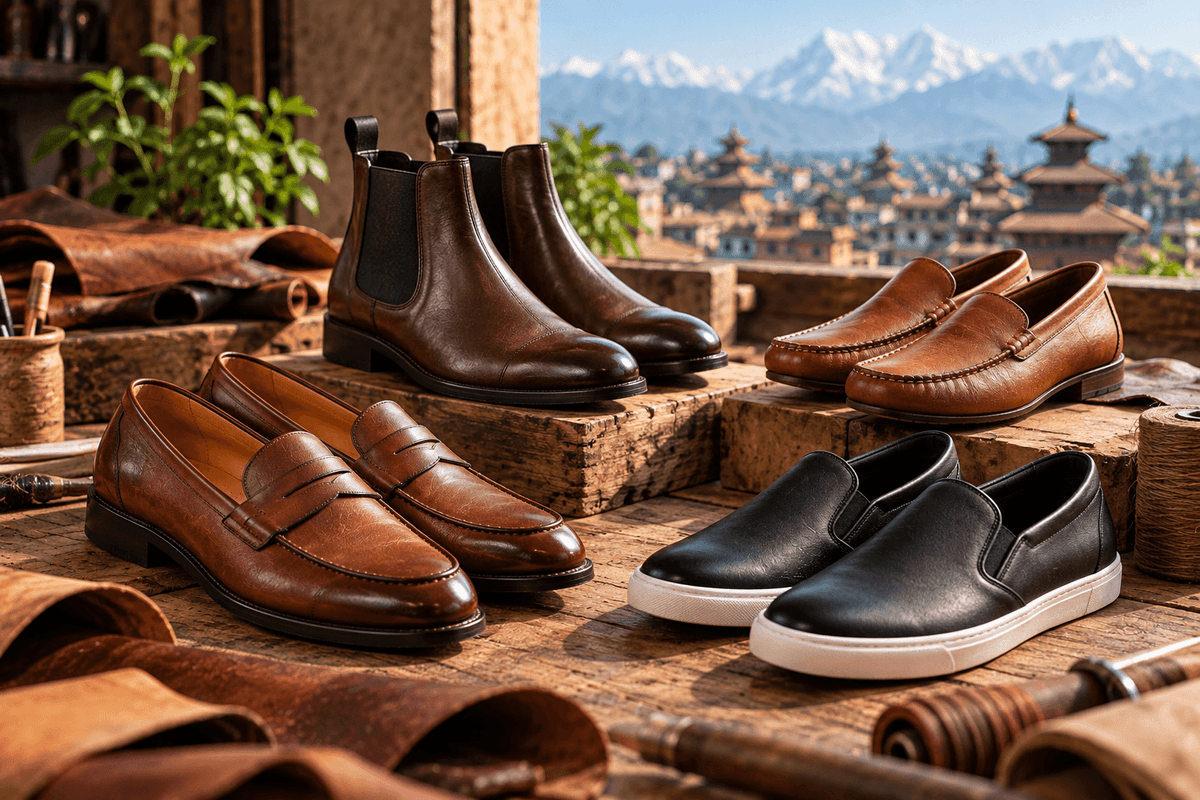
Slip On Shoes: Comfort and Style for Everyday Wear
**Slip on shoes** are designed for convenience, making them easy to wear without traditional laces. From leather loafers to Chelsea boots, they offer versatile options for office wear, smart-casual outfits and everyday use. ## Types of Slip On Shoes **Leather loafers** offer a polished look for work, dinners and casual occasions. Explore the [Pomory Penny Loafer](https://pomoryleather.com/products/penny-loafer) for a classic slip-on style. **Chelsea boots** feature elastic side panels that make them easy to put on and remove. Discover [Pomory Chelsea Boots](https://pomoryleather.com/products/chelsea-boots) for a versatile boot style. Browse the [Pomory Professional Collection](https://pomoryleather.com/collections/professional) to explore leather footwear for different occasions. Learn more about [loafers](https://en.wikipedia.org/wiki/Loafer_%28shoe%29) and [Chelsea boots](https://en.wikipedia.org/wiki/Chelsea_boot). ## How to Choose the Right Slip On Shoes Consider the fit, material, sole comfort and intended use before buying. Loafers suit polished everyday outfits, while Chelsea boots offer a boot-style alternative for casual and smart-casual wear. Choose a secure fit that allows your toes to move comfortably without your heel slipping excessively. ## FAQs ### Are slip on shoes good for everyday wear? Yes. Choose a comfortable, well-fitting pair suited to your daily activities. ### Are leather loafers considered slip on shoes? Yes. Loafers are designed to be worn without traditional laces. ### Can slip on shoes be worn to the office? Yes. Leather loafers and suitable Chelsea boots can complement professional or business-casual outfits. ### How should slip on shoes fit? They should feel secure around the heel and midfoot without pinching your toes or causing pressure. ## Conclusion Slip on shoes combine convenience with versatile styling. Whether you choose classic leather loafers or Chelsea boots, prioritize fit, comfort and quality to find a pair suited to your lifestyle.
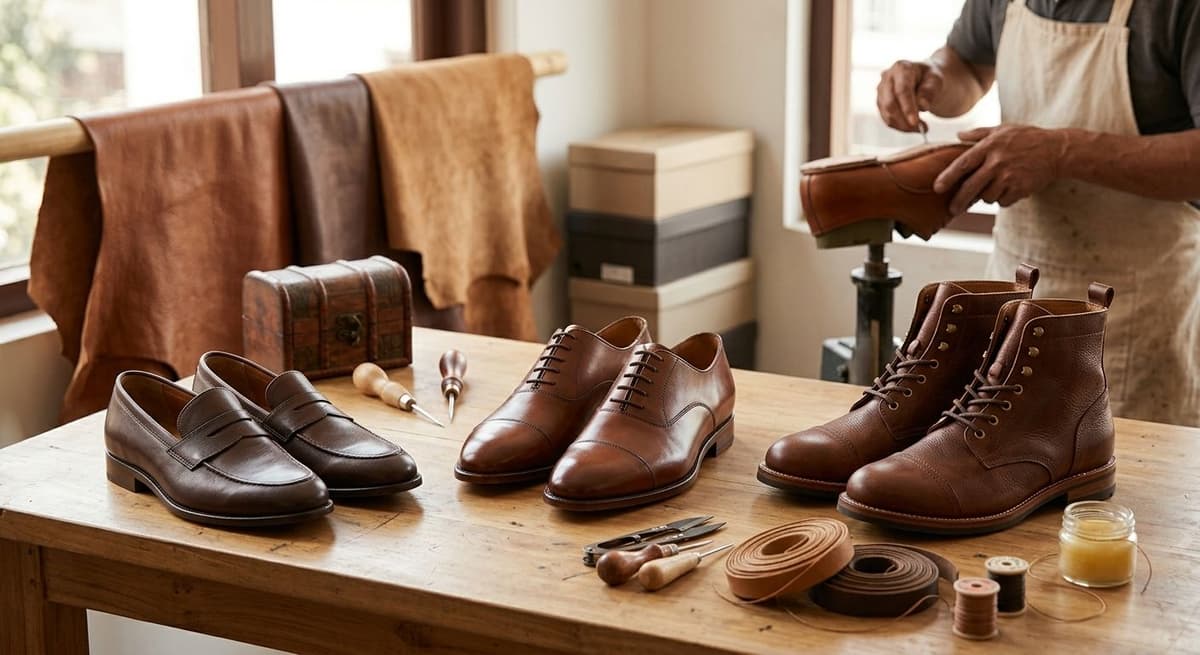
Nepali Shoe: Discover Quality Footwear Made in Nepal
A **Nepali shoe** combines practical design, quality materials and local craftsmanship. From leather Oxfords and loafers to boots and sneakers, footwear made in Nepal suits formal, casual and everyday styles. ## Choosing a Nepali Shoe When buying **shoes in Nepal**, consider material quality, fit, construction, durability and intended use. Learn more about [footwear](https://en.wikipedia.org/wiki/Footwear). ## Quality Leather Footwear from Nepal Pomory creates handcrafted footwear in Nepal, offering styles for different occasions. Explore the [Pomory Oxford Tan](https://pomoryleather.com/products/pomory-oxford-tan), [Penny Loafer](https://pomoryleather.com/products/penny-loafer), or [Professional Classic Brown](https://pomoryleather.com/products/professional-classic-brown). Learn more about [leather](https://en.wikipedia.org/wiki/Leather). ## How to Choose Choose Oxfords for formal occasions, loafers for versatile smart-casual styling, and boots or sneakers for everyday wear. Always prioritize **fit, material quality and construction**. ## FAQs ### What types of Nepali shoes are available? Oxfords, loafers, boots, sneakers and other leather footwear are available from Nepali footwear brands. ### Are Nepali leather shoes good for office wear? Yes. Oxfords and leather loafers can work well for professional and business-casual outfits. ### How do I choose a quality Nepali shoe? Check the material, stitching, construction, finishing and overall fit. ### Can Nepali shoes be worn every day? Yes. Choose a style and construction suited to your daily activities. ## Conclusion A quality **Nepali shoe** brings together craftsmanship, comfort and practical design. Choose your footwear based on **fit, quality and purpose**.
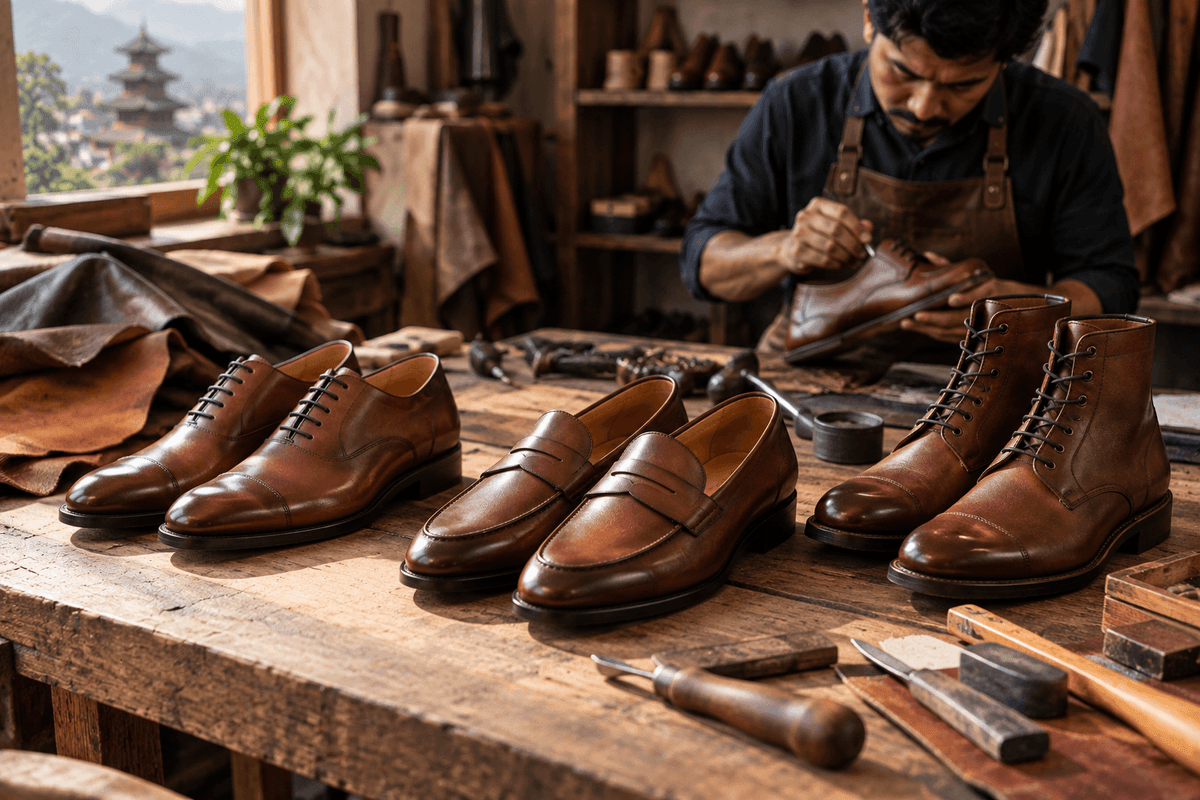
Nepali Leather Shoes Brand: A Guide to Quality Footwear from Nepal
A **Nepali leather shoes brand** combines local craftsmanship with modern footwear design. From classic Oxfords and loafers to everyday leather shoes, Nepal has a growing selection of footwear made for both professional and casual style. ## Why Choose Nepali Leather Shoes? Nepali leather footwear has developed from traditional craftsmanship into modern shoe manufacturing. Today, local brands offer different styles, materials and designs for everyday wear. When choosing **leather shoes in Nepal**, consider: * Leather quality and finish * Comfort and fit * Construction and durability * Design and intended use * Value for money Learn more about [leather on Wikipedia](https://en.wikipedia.org/wiki/Leather). ## Pomory: Handcrafted Leather Shoes in Nepal Pomory is a **Nepali leather shoes brand** offering handcrafted footwear designed for professional, casual and everyday use. Its collection includes Oxfords, loafers, boots and leather sneakers, with production handled in Nepal. Explore the [Pomory Penny Loafer](https://pomoryleather.com/products/penny-loafer) for a classic slip-on style, or choose the [Pomory Oxford Tan](https://pomoryleather.com/products/pomory-oxford-tan) for a more formal look. For a traditional everyday formal style, explore [Professional Classic Brown](https://pomoryleather.com/products/professional-classic-brown). ## Choosing the Right Nepali Leather Shoes The right pair depends on your lifestyle and occasion. Oxfords work well for formal and professional outfits, loafers offer easy smart-casual styling, while leather sneakers provide a more relaxed everyday option. Always consider proper fit, leather quality and construction when choosing footwear. Learn more about [footwear on Wikipedia](https://en.wikipedia.org/wiki/Footwear). ## FAQs ### Are Nepali leather shoes good quality? Quality varies by brand and construction. Look for genuine leather, careful finishing, good construction and a comfortable fit. ### What types of leather shoes are made in Nepal? Nepali brands produce a range of footwear, including Oxfords, loafers, boots, formal shoes and leather sneakers. ### How do I choose a Nepali leather shoes brand? Compare leather quality, craftsmanship, fit, design, construction and after-sales service before making a purchase. ### Are Nepali leather shoes suitable for everyday wear? Yes. Depending on the design, leather shoes can be suitable for office wear, formal occasions, smart-casual outfits and everyday use. ## Conclusion A good **Nepali leather shoes brand** brings together craftsmanship, quality materials and practical design. Whether you need formal Oxfords, versatile loafers or everyday leather footwear, choosing based on quality and fit can help you find the right pair.
Slip On Shoes: Comfort and Style for Everyday Wear
**Slip on shoes** are designed for convenience, making them easy to wear without traditional laces. From leather loafers to Chelsea boots, they offer versatile options for office wear, smart-casual outfits and everyday use. ## Types of Slip On Shoes **Leather loafers** offer a polished look for work, dinners and casual occasions. Explore the [Pomory Penny Loafer](https://pomoryleather.com/products/penny-loafer) for a classic slip-on style. **Chelsea boots** feature elastic side panels that make them easy to put on and remove. Discover [Pomory Chelsea Boots](https://pomoryleather.com/products/chelsea-boots) for a versatile boot style. Browse the [Pomory Professional Collection](https://pomoryleather.com/collections/professional) to explore leather footwear for different occasions. Learn more about [loafers](https://en.wikipedia.org/wiki/Loafer_%28shoe%29) and [Chelsea boots](https://en.wikipedia.org/wiki/Chelsea_boot). ## How to Choose the Right Slip On Shoes Consider the fit, material, sole comfort and intended use before buying. Loafers suit polished everyday outfits, while Chelsea boots offer a boot-style alternative for casual and smart-casual wear. Choose a secure fit that allows your toes to move comfortably without your heel slipping excessively. ## FAQs ### Are slip on shoes good for everyday wear? Yes. Choose a comfortable, well-fitting pair suited to your daily activities. ### Are leather loafers considered slip on shoes? Yes. Loafers are designed to be worn without traditional laces. ### Can slip on shoes be worn to the office? Yes. Leather loafers and suitable Chelsea boots can complement professional or business-casual outfits. ### How should slip on shoes fit? They should feel secure around the heel and midfoot without pinching your toes or causing pressure. ## Conclusion Slip on shoes combine convenience with versatile styling. Whether you choose classic leather loafers or Chelsea boots, prioritize fit, comfort and quality to find a pair suited to your lifestyle.
Nepali Shoe: Discover Quality Footwear Made in Nepal
A **Nepali shoe** combines practical design, quality materials and local craftsmanship. From leather Oxfords and loafers to boots and sneakers, footwear made in Nepal suits formal, casual and everyday styles. ## Choosing a Nepali Shoe When buying **shoes in Nepal**, consider material quality, fit, construction, durability and intended use. Learn more about [footwear](https://en.wikipedia.org/wiki/Footwear). ## Quality Leather Footwear from Nepal Pomory creates handcrafted footwear in Nepal, offering styles for different occasions. Explore the [Pomory Oxford Tan](https://pomoryleather.com/products/pomory-oxford-tan), [Penny Loafer](https://pomoryleather.com/products/penny-loafer), or [Professional Classic Brown](https://pomoryleather.com/products/professional-classic-brown). Learn more about [leather](https://en.wikipedia.org/wiki/Leather). ## How to Choose Choose Oxfords for formal occasions, loafers for versatile smart-casual styling, and boots or sneakers for everyday wear. Always prioritize **fit, material quality and construction**. ## FAQs ### What types of Nepali shoes are available? Oxfords, loafers, boots, sneakers and other leather footwear are available from Nepali footwear brands. ### Are Nepali leather shoes good for office wear? Yes. Oxfords and leather loafers can work well for professional and business-casual outfits. ### How do I choose a quality Nepali shoe? Check the material, stitching, construction, finishing and overall fit. ### Can Nepali shoes be worn every day? Yes. Choose a style and construction suited to your daily activities. ## Conclusion A quality **Nepali shoe** brings together craftsmanship, comfort and practical design. Choose your footwear based on **fit, quality and purpose**.
Nepali Leather Shoes Brand: A Guide to Quality Footwear from Nepal
A **Nepali leather shoes brand** combines local craftsmanship with modern footwear design. From classic Oxfords and loafers to everyday leather shoes, Nepal has a growing selection of footwear made for both professional and casual style. ## Why Choose Nepali Leather Shoes? Nepali leather footwear has developed from traditional craftsmanship into modern shoe manufacturing. Today, local brands offer different styles, materials and designs for everyday wear. When choosing **leather shoes in Nepal**, consider: * Leather quality and finish * Comfort and fit * Construction and durability * Design and intended use * Value for money Learn more about [leather on Wikipedia](https://en.wikipedia.org/wiki/Leather). ## Pomory: Handcrafted Leather Shoes in Nepal Pomory is a **Nepali leather shoes brand** offering handcrafted footwear designed for professional, casual and everyday use. Its collection includes Oxfords, loafers, boots and leather sneakers, with production handled in Nepal. Explore the [Pomory Penny Loafer](https://pomoryleather.com/products/penny-loafer) for a classic slip-on style, or choose the [Pomory Oxford Tan](https://pomoryleather.com/products/pomory-oxford-tan) for a more formal look. For a traditional everyday formal style, explore [Professional Classic Brown](https://pomoryleather.com/products/professional-classic-brown). ## Choosing the Right Nepali Leather Shoes The right pair depends on your lifestyle and occasion. Oxfords work well for formal and professional outfits, loafers offer easy smart-casual styling, while leather sneakers provide a more relaxed everyday option. Always consider proper fit, leather quality and construction when choosing footwear. Learn more about [footwear on Wikipedia](https://en.wikipedia.org/wiki/Footwear). ## FAQs ### Are Nepali leather shoes good quality? Quality varies by brand and construction. Look for genuine leather, careful finishing, good construction and a comfortable fit. ### What types of leather shoes are made in Nepal? Nepali brands produce a range of footwear, including Oxfords, loafers, boots, formal shoes and leather sneakers. ### How do I choose a Nepali leather shoes brand? Compare leather quality, craftsmanship, fit, design, construction and after-sales service before making a purchase. ### Are Nepali leather shoes suitable for everyday wear? Yes. Depending on the design, leather shoes can be suitable for office wear, formal occasions, smart-casual outfits and everyday use. ## Conclusion A good **Nepali leather shoes brand** brings together craftsmanship, quality materials and practical design. Whether you need formal Oxfords, versatile loafers or everyday leather footwear, choosing based on quality and fit can help you find the right pair.
Talk to us
Questions about a pair, a bulk order, or working with us? Send a message and a real person will reply.